

Effort Isn't Your Issue
Don't make the same mistake I made for over a decade.

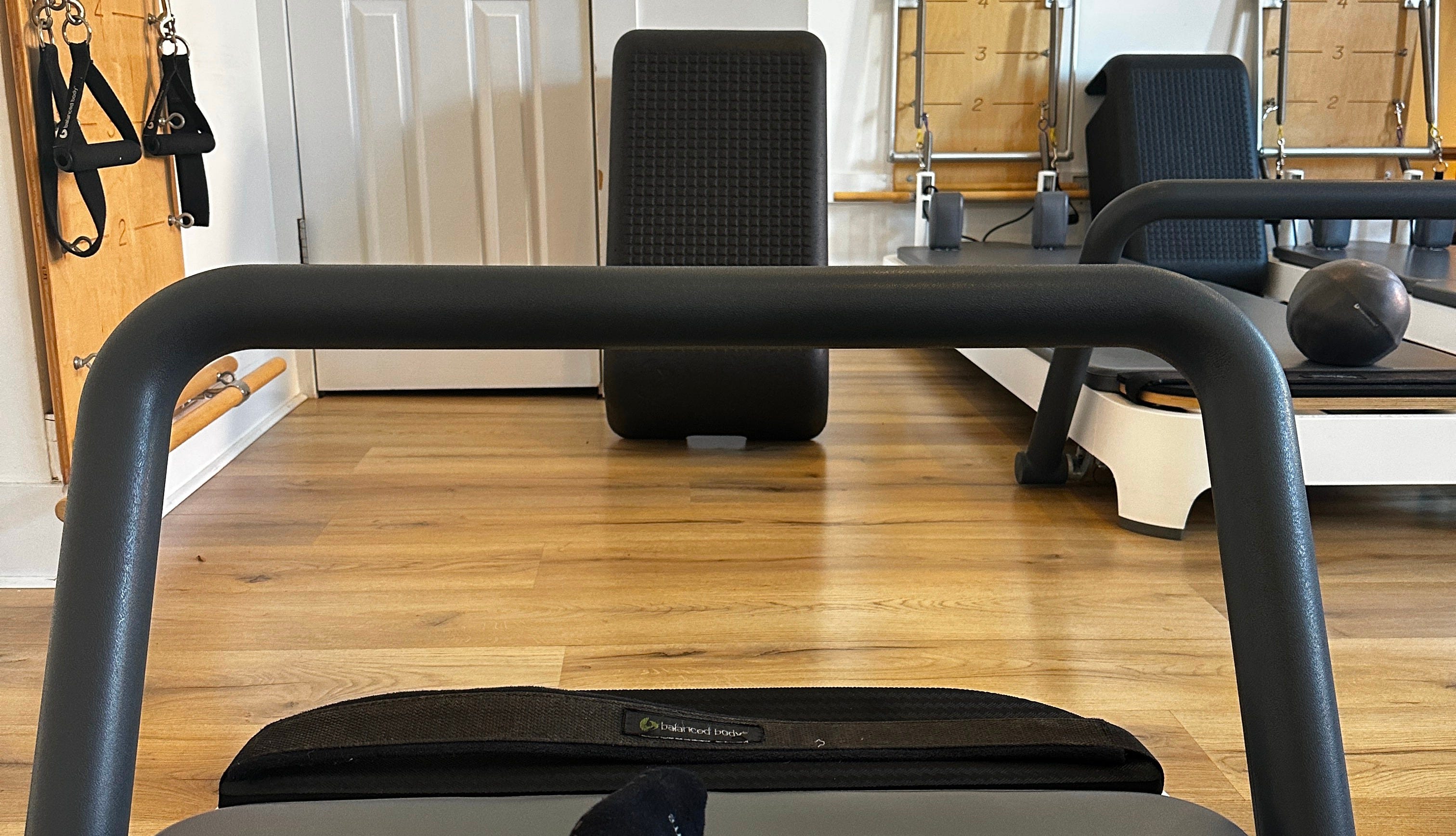
It’s the first week of January, which means goals are being set, intentions are being named, and everyone is quietly asking themselves some version of the same question: What does my next level look like?
January has a way of making progress feel urgent. We assume that if we just commit harder, move faster, and stay disciplined, everything will fall into place. But over the years, especially after tearing my ACL and going through recovery, I’ve learned that :
Progress doesn’t usually fail because of lack of effort. It fails because we’re applying the right energy to the wrong phase.
The Common Assumption
Most people assume progress is about motivation, discipline, or effort. If they just work harder or stay consistent, things will click. And to be fair, that’s not completely wrong because those things matter. But they’re not the whole picture.
What breaks down isn’t the commitment. It’s the sequencing.
What ACL Rehab Taught Me
I tore my ACL and meniscus when I was 17. And for the next 15+ years, I thought my knee issue was about flexibility.
I kept working out. I had trainers. But anytime my knee felt stiff or off, I’d think: I just need to stretch more. So I’d stretch or do yoga and keep training, but I would baby my knee or modify exercises. I’d avoid anything that felt too intense, telling myself to be careful.
It wasn’t until last year, when I was tired of not executing certain movements at the level I wanted, that I finally stopped and asked a different question: Why is it still this way after all this time post-surgery?
I didn’t want to keep training around limitations, so I started to figure out what was going on.
That’s when I did the diagnostic work. I found a trainer who specialized in mobility and worked with a stretch therapist. I studied how athletes recover from ACL injuries.
And that’s when I realized: I did have flexibility issues, but my knee didn’t cause them. I’d been blaming the ACL repair for years, thinking that’s why my legs felt tight. The real issue was my nervous system: my body’s ability to sense where my knee was in space and trust it under load.
I’d had surgery years ago. I completed physical therapy and was cleared. I even got back to the athletic activities I loved, but mentally, I never got back to where I was before the injury. I never fully trusted my knee under pressure. So for years, even though I was technically “recovered,” I’d still hold back. I’d modify or protect.
It’s only now, after finally understanding the full progression, that I’m actually stress-testing my knee and retraining trust. I’m learning what it feels like to move without hesitation for the first time in almost two decades.
The issue was never lack of effort. The issue was that I never understood what the full path actually looked like, so I kept applying effort to the wrong phase.
The Four Phases
Here’s what the full path actually looks like:
1. Stabilize - Fix the issue, assess what’s actually happening, and understand the full path ahead. This is where I reverse-engineered other athletes’ recoveries and realized I wasn’t just healing an injury; I was retraining an entire system.
2. Strengthen - Rebuild capacity. Physical therapy. Imbalances. Boring, repetitive work. This is where most people think they’re done, because the visible problem is solved.
3. Stress-Test - Introduce load. Dynamic movement. Real-world conditions. Can this hold under pressure? This is where theory meets reality.
4. Trust - Full integration. I don’t think about my knee anymore; I just respond. Intuition restored.
The mistake wasn’t that I didn’t work hard enough. It was that I thought Phase 2 was the finish line.
Strength isn’t the same as readiness. Capacity without trust creates hesitation.
Athletes don’t just rebuild muscle; they retrain belief in the body under stress.
What This Means Outside the Gym
This pattern shows up everywhere, not just in physical recovery.
Starting a new role. Building something from scratch. Making a career pivot. Creative work. Leadership.
What looks like procrastination or inconsistency is often a trust gap. You have the skills (Phase 2), but you haven’t stress-tested them in real conditions (Phase 3). Or you’ve tested them, but you’re still second-guessing every decision because you haven’t reached full integration yet (Phase 4).
The work isn’t missing. The sequencing is.
Three Things to Remember
1. What you think is the problem often isn’t the problem.
You might not need more skills or more discipline. You might just be in the wrong phase for what you’re trying to do.
2. Diagnosis beats effort.
Applying the right energy to the wrong phase won’t move you forward; it’ll just exhaust you.
3. You can’t self-assess in a vacuum.
Especially in Phase 1, you need reference points. Talk to an expert or find people who’ve completed the exact progression and study their path. That’s how you know what each phase actually looks like, and which one you’re really in.
A Different Question for January
Instead of asking “What do I want to achieve this year?” try asking: “What phase am I actually in right now?”
Not every season is a performance season. Some seasons are for stabilizing. Some are for building capacity in private. Some are for stress-testing what you’ve built. And some are for when trust is finally restored.
The framework isn’t about rushing through. It’s about moving through the right sequence at the right time.
Over the next few months, I’ll be breaking down what each phase actually looks like: the patterns, the mistakes, the signals that tell you when it’s time to move forward.
If this resonates, I’d love to hear where you think you are right now. Hit reply or leave a comment.
i love this.
Not every season is a performance season!!